
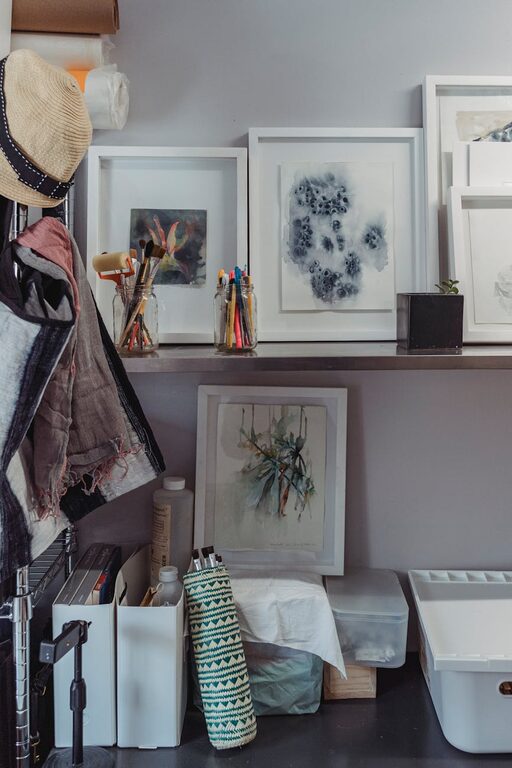
Children’s artwork is a wonderful way to capture their creativity and growth, but it can quickly take over your home if not managed well. From finger paintings to school projects, these precious creations pile up and can become overwhelming. Organizing kids’ art doesn’t have to be a chore. With a few simple strategies, you can keep the artwork tidy, accessible, and beautifully displayed. Here are some friendly, practical tips to help you manage and enjoy your children’s masterpieces.
Why Organizing Kids’ Art Matters
Before diving into the tips, it’s helpful to understand why organizing kids’ artwork is beneficial:
– Reduces clutter: Helps keep your home tidy and free from piles of papers and crafts.
– Preserves memories: Makes it easier to revisit and enjoy favorite art pieces over time.
– Encourages creativity: A clean and intentional space can inspire kids to keep creating.
– Teaches organization skills: Children learn how to care for their belongings in a structured way.
1. Create a Dedicated Art Space
Having a specific area for art projects is a great starting point. This could be:
– A corner of a room with an art table
– A storage cart stocked with supplies and papers
– A wall dedicated to displaying recent work
By containing art materials and creations in one place, you make it easier to stay organized and avoid clutter spreading across the house.
2. Use Display Boards for Current Artwork
Kids love seeing their work showcased. A display board provides a rotating gallery where you can feature recent pieces:
– Cork boards or magnetic boards are easy to update.
– Use clipboards or strings with clothespins for a creative, flexible display.
– Limit the displayed pieces to a certain number — for example, five to eight — to keep it neat.
This approach celebrates children’s efforts while keeping the amount visible under control.
3. Set Up an Art Filing System
A filing system helps you archive artwork that you want to keep but not display all the time. Some ideas:
– Use large, labeled folders or accordion files organized by year or child.
– Invest in a portable art portfolio for flat storage.
– Consider a three-ring binder with protective sleeves for smaller or thinner pieces.
Label each file clearly and encourage kids to help decide what to keep and where it belongs.
4. Take Photos of Larger or Bulky Projects
Some art projects, like sculptures or dioramas, are hard to store. Photographing these items lets you preserve the memory without the clutter.
– Use natural light to capture the details.
– Create a digital album or photo book organized by date or theme.
– You can even involve your child in selecting which projects to photograph.
This method keeps space free and allows for easy sharing with family and friends.
5. Create Digital Archives
In addition to photos, you can digitize flat artwork by scanning or photographing each piece. There are several benefits:
– Saves physical space
– Provides a backup in case originals get damaged
– Makes it easy to create slideshows, calendars, or gifts
Apps and cloud storage services can help you organize and access the digital files conveniently.
6. Set Limits and Regularly Declutter
To avoid overwhelming piles, set some clear limits:
– Maintain a box or folder of a reasonable size for each child’s saved artwork.
– Schedule regular “art review” sessions with your kids to decide what to keep, gift, or recycle.
– Encourage children to pick their favorites and explain why they want to keep certain pieces.
This process teaches valuable decision-making skills and keeps your collection manageable.
7. Repurpose Artwork in Creative Ways
Instead of just storing art, find new uses for it:
– Turn drawings into custom greeting cards or gift wrap.
– Use cutouts for collages or scrapbooks.
– Frame special pieces for rotating home décor.
– Create a calendar featuring different artworks for each month.
Repurposing celebrates the effort and adds personal touches to your home and gifts.
8. Involve Your Kids in the Process
Make organizing a fun and collaborative activity:
– Let children decorate their storage boxes or binders.
– Encourage them to select which pieces to display and archive.
– Talk about their art, asking questions and showing interest.
When kids feel involved, they’re more likely to take pride in maintaining their collection.
Final Thoughts
Organizing kids’ artwork doesn’t have to be overwhelming. By dedicating space, using displays, setting up filing systems, and maintaining digital archives, you can preserve and celebrate your children’s creativity while keeping your home tidy. Most importantly, involve your kids in the process—it’s a wonderful opportunity to encourage their self-expression and teach organizational skills. Try these tips and watch how your children’s art becomes a cherished part of your family story.