
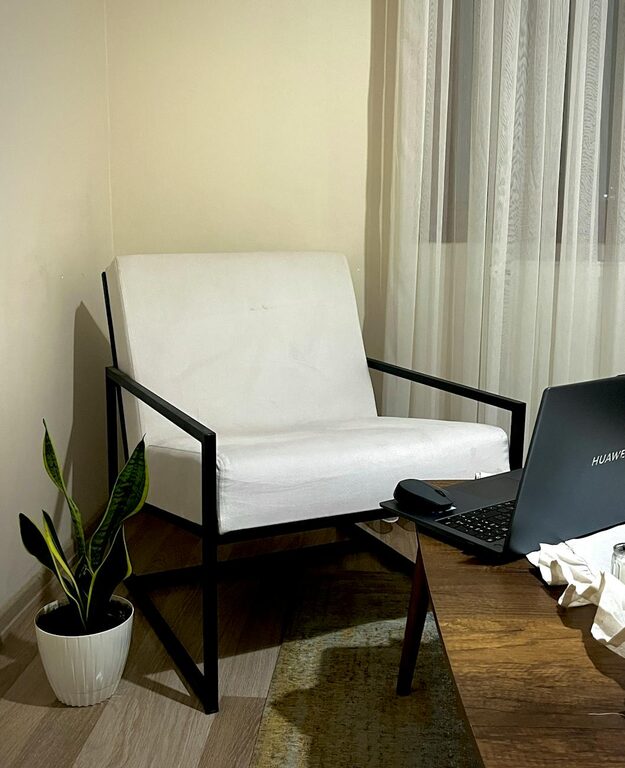
Living in a noisy environment can be stressful and disruptive, whether you’re trying to work, relax, or sleep. Fortunately, there are simple and affordable ways to reduce noise at home and create a more peaceful atmosphere. In this post, we’ll explore practical strategies that can help you minimize unwanted sounds and enjoy a quieter living space.
Understanding Noise Sources in Your Home
Before tackling noise, it’s helpful to identify where it’s coming from. Common sources of noise inside and around the home include:
– Traffic or street noise
– Loud appliances and electronics
– Children or pets
– Neighbors or shared walls
– Outdoor activities or construction
Knowing the source will guide you toward the most effective noise reduction methods.
Tips for Reducing Noise Indoors
1. Use Soft Furnishings to Absorb Sound
Hard surfaces like tile floors and bare walls reflect sound, increasing noise levels. Adding soft materials can absorb sound waves and reduce echo:
– Place rugs or carpets on floors
– Hang heavy curtains or drapes on windows
– Add cushions and upholstered furniture
– Use fabric wall hangings or tapestry
These items help dampen noise and improve room acoustics.
2. Seal Gaps and Cracks
Sound easily travels through gaps around doors, windows, and walls. To block noise:
– Apply weatherstripping around doors and windows
– Use door sweeps at the bottom of doors
– Seal cracks in walls and gaps around window frames with caulk
Sealing these openings can significantly reduce outside noise entering your home.
3. Rearrange Furniture Strategically
Furniture can serve as a barrier to noise. Try these ideas:
– Place large bookshelves or wardrobes against walls that face noise sources
– Move seating areas away from noisy windows or walls
– Use room dividers to create a buffer from noisy spaces
These arrangements limit the path of sound and improve quietness.
4. Install Acoustic Panels or Soundproofing Materials
If noise is a persistent problem, consider adding sound-absorbing materials:
– Acoustic panels can be attached to walls or ceilings to absorb sound
– Foam tiles reduce echo and improve overall sound quality
– Specialized soundproof curtains help block outdoor noise
Acoustic products vary in price and installation complexity, so choose based on your needs and budget.
Reducing Noise From Appliances and Electronics
1. Maintain and Upgrade Appliances
Noisy appliances can interrupt peace. To minimize their sound:
– Keep appliances clean and well-maintained to prevent rattling
– Replace old appliances with quieter, energy-efficient models
– Use rubber pads or mats under washing machines and dishwashers to reduce vibration
2. Control Volume Levels and Use Headphones
For electronics like TVs, speakers, and gaming consoles:
– Keep volume at moderate levels
– Use headphones when appropriate, especially in shared spaces
Managing Noise From Neighbors and Shared Walls
Living in close quarters calls for specific tactics:
– Add bookshelves or heavy curtains along shared walls to absorb sound
– Discuss noise concerns politely with neighbors to find mutually agreeable solutions
– Use white noise machines or fans to mask background noise
Outdoor Noise Reduction Ideas
1. Landscaping for Sound Buffering
Plants can help reduce outdoor noise:
– Plant dense shrubs or trees near windows and property lines
– Use tall hedges or bamboo screens to block noise from streets or neighbors
2. Use Fencing and Outdoor Barriers
Installing solid fences or sound barriers can physically block noise. Materials like wood, vinyl, or masonry work well.
Creating a Quiet Resting Space
1. Choose the Right Bedroom Location
If possible, situate bedrooms away from busy streets or noisy areas of the home.
2. Invest in Quality Windows
Double-glazed or soundproof windows significantly reduce outside noise infiltration.
3. Use Soft Bedding and Curtains
These absorb sound and contribute to a calming atmosphere for better sleep.
Final Thoughts
Reducing noise at home is achievable with a mix of simple changes and thoughtful planning. By softening hard surfaces, sealing gaps, managing appliance noise, and using thoughtful furniture arrangements, you can create a tranquil environment that supports relaxation and focus. Whether you’re dealing with outdoor noise or indoor distractions, implementing these strategies will bring you closer to the quiet home you desire.
Remember, even small efforts can make a big difference in reducing noise and improving your home’s comfort. Start with the easiest steps and build from there for lasting peace and quiet.