
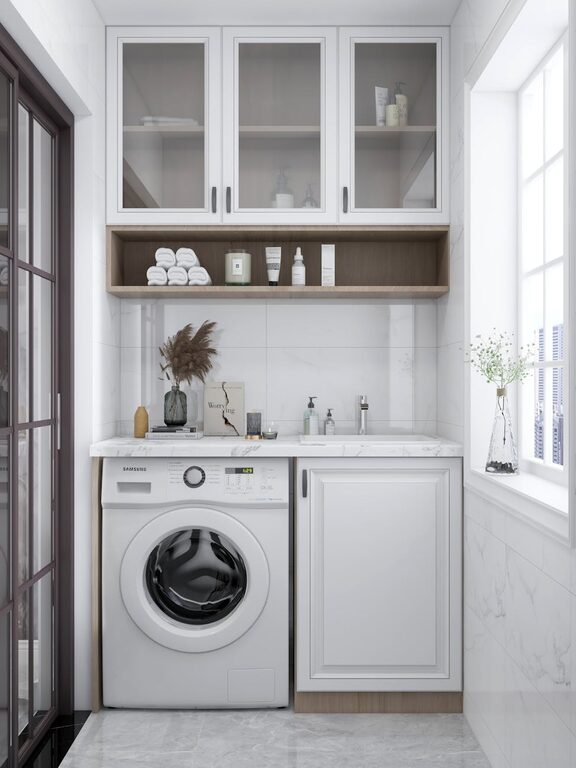
Creating a peaceful and inviting atmosphere in your home often starts with the colors you choose for your walls and décor. Calm colors can help reduce stress, enhance relaxation, and make your space feel more welcoming. If you want your home to feel like a serene retreat, selecting the right shades is essential. In this post, we’ll explore practical tips for choosing calm colors that suit your style and space.
Why Choose Calm Colors?
Calm or soothing colors are typically soft, muted tones that create a sense of tranquility. They can influence mood, making rooms feel cozy and restorative. Unlike bright or bold colors, calm shades don’t overstimulate the eyes or mind, which is why many people prefer them in bedrooms, living rooms, and other relaxation areas.
Popular Calm Color Families
Before diving into how to choose colors, it helps to know which color families are generally seen as calming:
– Blues: Soft blues often remind us of the sky or ocean, making them naturally calming.
– Greens: These bring the feeling of nature indoors and promote relaxation.
– Neutrals: Shades like beige, soft gray, and taupe offer an understated, peaceful background.
– Lavenders and Soft Purples: These have a gentle, restful quality without being dull.
– Soft Pinks: When muted, these colors can feel warm and comforting.
Tips for Choosing Calm Colors for Your Home
1. Consider the Purpose of the Room
Each room in your home has a different purpose, which can affect the ideal color choice:
– Bedroom: Opt for colors that encourage sleep and relaxation, such as pale blues, soft greens, or gentle grays.
– Living Room: Choose calming neutrals or light blues to promote conversation and unwinding.
– Bathroom: Soft greens or light lavenders can create a spa-like, refreshing environment.
– Kitchen and Dining: While these spaces benefit from energy, gentle warm tones like muted peaches or soft taupes keep things balanced.
2. Test Colors in Different Lighting
Lighting greatly affects how colors appear:
– Natural Light: A color that looks calm in daylight can appear dull or even harsh in artificial light.
– Artificial Light: Warm bulbs make colors appear softer and cozier, while cool bulbs might give a crisper finish.
Before making a final decision, paint swatches on your walls and observe them at different times of day.
3. Choose Muted Shades Over Bright or Saturated Ones
Pure or highly saturated colors tend to be more stimulating. To keep a calm vibe:
– Pick pastel or desaturated versions of your favorite hues.
– Look for colors described as “soft,” “light,” or “muted” in paint catalogs.
– Avoid extremes like neon or intense reds.
4. Use Color Combinations Wisely
Combine colors that harmonize well rather than clash:
– Complementary tones of soft blue and soft gray work beautifully.
– Monochromatic schemes—using various shades of the same color—create depth without overwhelming.
– Pair calming neutrals with subtle accents to add interest without losing tranquility.
5. Incorporate Texture Alongside Color
Sometimes texture affects how color feels in a space:
– Matte finishes can enhance a soft, calm look.
– Natural materials like wood, linen, or wool complement calm colors perfectly.
– Avoid too much shine or gloss, which can feel busy or cold.
6. Don’t Forget Personal Preference
While guidelines help create calmness, your personal comfort is key:
– Choose colors that make you feel at ease.
– If you love a bold color, consider using it in small accents rather than on all walls.
– Use your favorite art, textiles, and décor to inject calmness in a way that reflects your style.
7. Think About Color Psychology
While not a strict science, color psychology offers interesting insights:
– Blue generally lowers heart rates and reduces anxiety.
– Green can promote feelings of balance and harmony.
– Beige and soft gray help ground the mood without distraction.
Use this as inspiration rather than rulebooks—colors affect everyone differently.
Final Thoughts
Choosing calm colors for your home can transform your living spaces into havens of peace and relaxation. By considering room purpose, lighting, color saturation, and personal taste, you can find soothing shades that make your home both beautiful and comforting. Remember to take your time testing colors and allow your space to evolve naturally. With the right calm palette, your home will be a true retreat from the busy world outside.
—
Do you have favorite calm colors or tips to share? Leave a comment below and tell us about your peaceful color choices!